Quick answer
Brown spots in a lawn most often come from uneven sprinkler coverage, dog urine, dull mower blades, or — less commonly in California — grubs or fungal disease. Look at the pattern first: circular spots with a dark green ring point to dog urine, spots near sprinkler heads point to watering, and patches that spread slowly over weeks point to disease.
Start with the pattern, not the guesswork
According to UC IPM's diagnostic guidance, where and how a brown spot forms usually points to the cause before you touch anything:
- Sudden, uniform spots in one area: usually a non-living cause (watering, fertilizer, chemical spill)
- Spots that spread gradually over weeks: more typical of disease or insects
- Circular dead spots with a dark green ring around them: classic dog urine damage
- Damage right around sprinkler heads or on slopes and high spots: irrigation coverage
Irrigation gaps are the most common cause
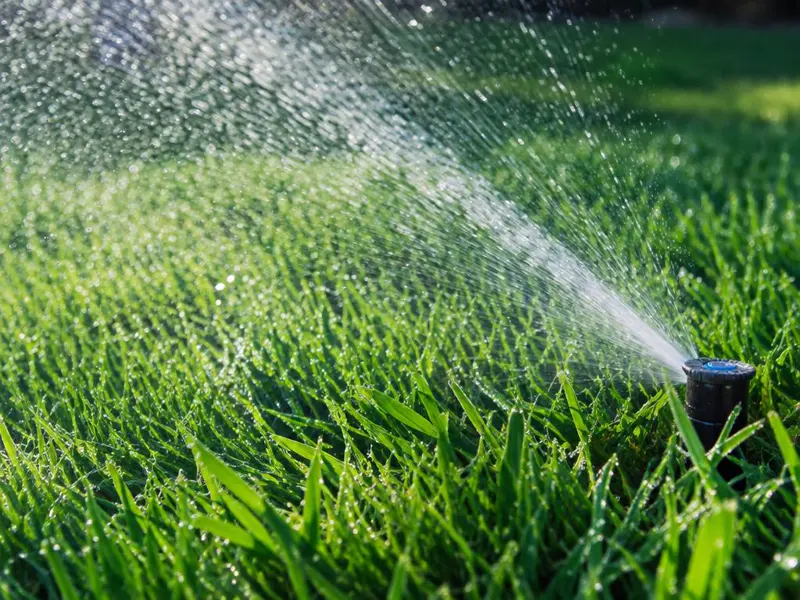
Broken, clogged, or misaligned sprinkler heads leave dry patches that show up in the same spot every time. Run the system during the day and watch each zone — look for heads that don't pop up fully, spray in the wrong direction, or leave a dry ring at the edge of their reach.
Dog urine spots
High-nitrogen dog urine burns the grass at the center of the spot while the extra nutrients green up a ring around it — the telltale dark green halo. Watering the area soon after a dog urinates helps dilute the salts and reduce damage.
Grubs, fungus, and dull blades
Insects are a less common cause of lawn damage in California than most homeowners assume — poor watering and mowing habits cause far more brown lawns. Before treating for grubs, dig up a small section of turf and count them; five or fewer grubs per square foot usually isn't enough to justify treatment.
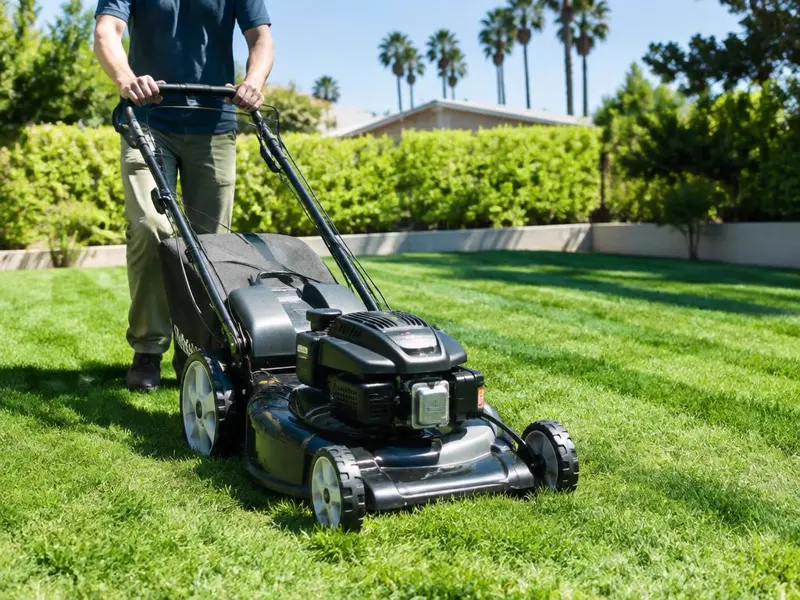
Fungal diseases tend to need specific weather (humidity, poor drainage, or overwatering) and often clear up on their own once conditions and care improve. Dull mower blades tear grass tips instead of cutting them cleanly, leaving a lawn with a grayish-brown cast even when it's healthy underneath — sharpening or replacing blades usually fixes this within a mow or two.
Not sure what's causing it?
Send us a few photos of the pattern and any close-ups through the quote form — we'll check sprinkler coverage and mowing height and suggest the fix.
Common questions
Official sources
Rules and programs change. Confirm current details on these pages.
Rather have us handle it?
Send photos and get a clear price, usually the same day.