
Quick answer
Most flowering shrubs in Southern California should be trimmed right after they finish blooming, hedges are trimmed for shape every few months during the growing season, and citrus is best pruned lightly in late winter to early spring. Between roughly February and August, check dense shrubs and trees for active bird nests before heavy pruning, since disturbing an active nest can violate state and federal bird protection laws.
Flowering shrubs: trim after bloom
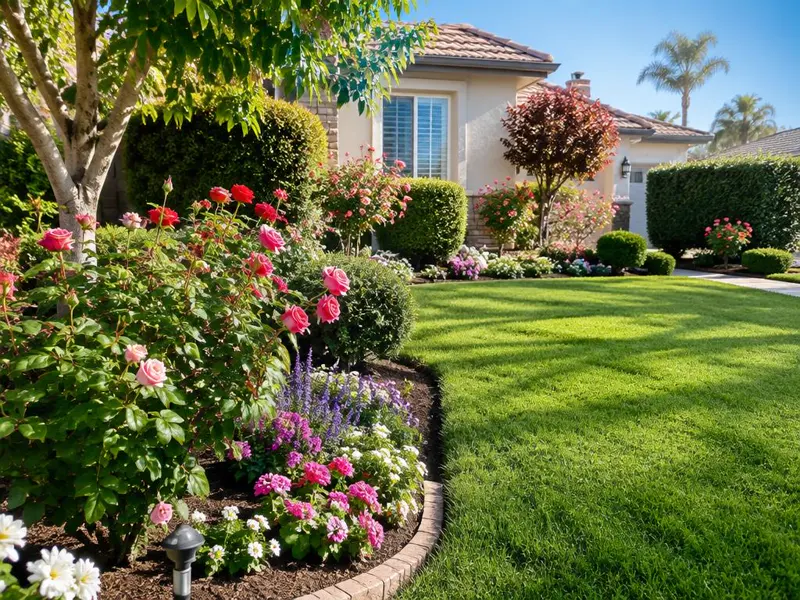
Shrubs that bloom on the previous year's wood — like many spring bloomers — should be trimmed shortly after their flowers fade. Pruning too early cuts off the buds that were about to open; pruning too late (fall or winter) removes the wood that would have flowered next spring.
If you're not sure whether a plant flowers on old or new wood, it's safer to do a light shaping trim rather than a hard cutback, or ask before a major prune.
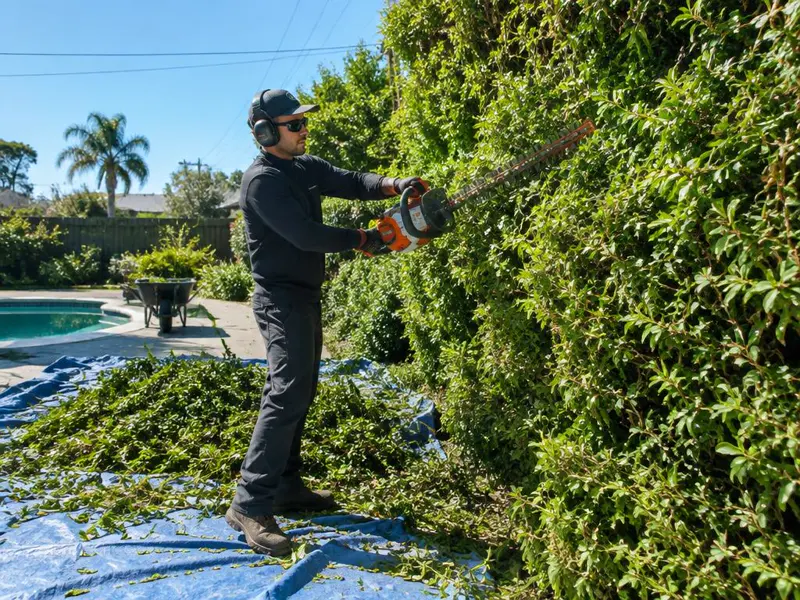
Hedges: shape trims through the growing season
Hedges used for privacy or borders can be lightly shaped every 6–8 weeks during active growth (spring through early fall) to keep clean lines, then left mostly alone in winter when growth slows.
Citrus and palms need a lighter touch
Citrus trees generally need only light pruning to remove dead, crossing, or suckering growth, best done in late winter to early spring before new growth and before hot weather stresses cut limbs.
Palms should only have fully brown, dead fronds removed — cutting green fronds weakens the tree and doesn't shape growth the way it does on other trees.
Check for active nests before heavy pruning
Nesting season for many birds in California runs roughly February through August, though it varies by species. Both the federal Migratory Bird Treaty Act and California Fish and Game Code protect active nests of most native bird species — it's illegal to destroy an active nest with eggs or chicks, even by accident during pruning.
Before a hard cutback of dense hedges or trees during this window, take a look through the branches for nests, and consider postponing that specific plant or doing a lighter trim until the nest is empty.
Not sure what you have?
Send photos of the plants through our quote form and we'll tell you the best timing and how much to cut back.
Common questions
Official sources
Rules and programs change. Confirm current details on these pages.
Rather have us handle it?
Send photos and get a clear price, usually the same day.